

Introduction
AI-powered cybersecurity is becoming an important part of how businesses protect their data, systems, employees, and customers.
As companies use more digital tools, they also face more cyber risks.
Businesses now depend on websites, cloud platforms, email systems, online payments, customer databases, and remote work tools.
This creates more opportunities for cybercriminals to attack.
AI-powered cybersecurity helps businesses detect threats faster, understand risks more clearly, and respond to suspicious activity before it becomes a bigger problem.
At the same time, AI also creates new risks.
Cybercriminals can use AI to create realistic phishing emails, fake messages, automated attacks, and stronger scams.
This is why businesses need to understand both the benefits and risks of AI-powered cybersecurity.
They also need clear best practices to use AI safely.
What Is AI-Powered Cybersecurity?
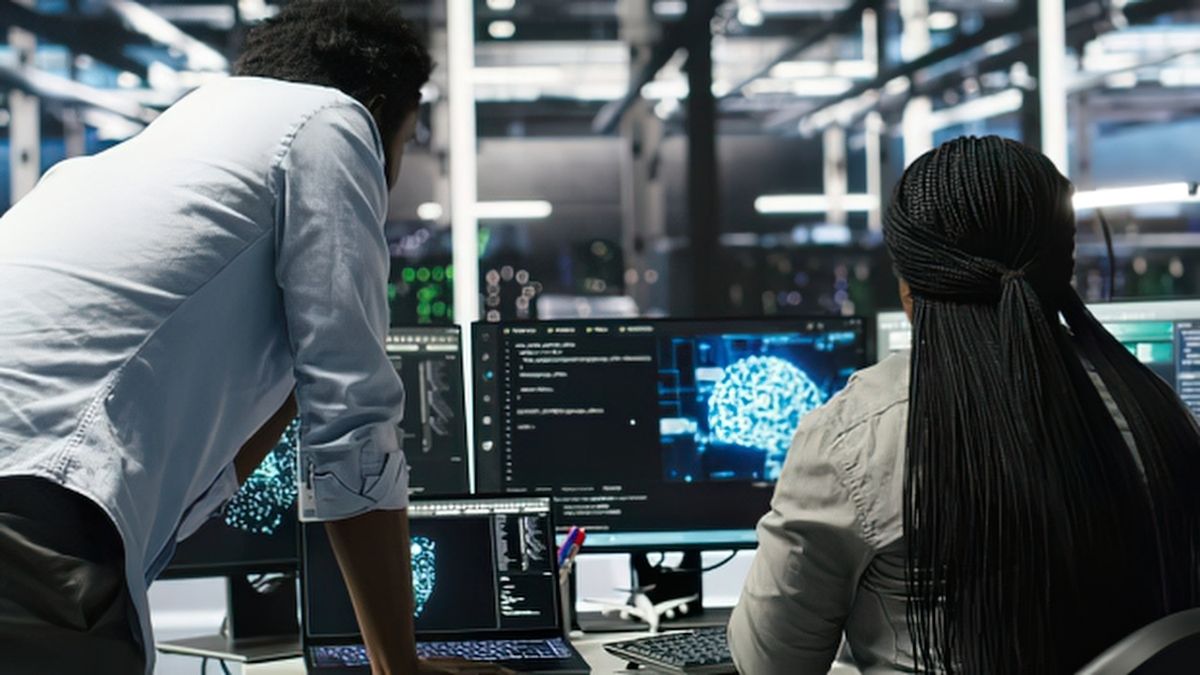
AI-powered cybersecurity means using artificial intelligence to help protect digital systems.
It can support businesses by monitoring activity, detecting threats, reviewing data, and helping cybersecurity teams respond faster.
AI can look for unusual behavior across business systems.
This may include strange login activity, suspicious emails, risky file downloads, or unusual network traffic.
The main advantage of AI-powered cybersecurity is speed.
AI can review large amounts of security data faster than a human team.
This helps businesses find possible threats earlier and take action before serious damage happens.
Why AI-Powered Cybersecurity Matters
AI-powered cybersecurity matters because cyber threats are becoming more advanced.
Many businesses now work online every day.
They use cloud tools, websites, online stores, email marketing platforms, payment systems, and digital communication tools.
Every digital system needs protection.
Cybercriminals may try to steal passwords, access private files, attack websites, or trick employees with fake messages.
AI-powered cybersecurity helps businesses watch these systems more closely.
It can detect unusual activity, send alerts, and support faster decisions.
The Canadian Centre for Cyber Security explains that AI can support cyber defence, but organizations still need strong security actions and responsible use.
Businesses can also review the Canadian Centre for Cyber Security for more guidance on digital protection.
How AI-Powered Cybersecurity Works
AI-powered cybersecurity works by learning from data and identifying patterns.
It can compare normal business activity with unusual behavior.
For example, if an employee usually logs in from one location but suddenly logs in from a different country, AI can flag this as suspicious.
If a system starts moving large amounts of data, AI can also warn the security team.
AI can also help review emails, links, files, network traffic, and user behavior.
This allows businesses to detect threats faster and reduce the chance of missing important warning signs.
AI-Powered Cybersecurity Benefits
| Benefit | How It Helps Businesses |
|---|---|
| Faster threat detection | Helps businesses find cyber threats earlier before they become serious problems. |
| Better phishing protection | Helps detect fake emails, suspicious links, and harmful messages. |
| Stronger data security | Helps protect customer information, employee records, and private business data. |
| Improved network monitoring | Watches business systems and networks for unusual activity. |
| Less manual work | Reduces repetitive security tasks for IT and cybersecurity teams. |
| Better decision-making | Helps teams understand which threats need attention first. |
| Reduced human error | Helps lower the risk of mistakes that can lead to security problems. |
| Clearer risk insights | Gives business leaders a better understanding of security risks. |
| Faster incident response | Helps businesses react more quickly when a threat is detected. |
| Improved customer trust | Shows customers that the business takes data protection seriously. |
How AI-Powered Cybersecurity Improves Threat Detection
Threat detection is one of the most important uses of AI-powered cybersecurity.
AI can monitor business systems and look for unusual behavior.
This can include suspicious login attempts, unknown devices, strange file activity, unusual data movement, or possible malware behavior.
When AI detects something unusual, it can alert the security team.
This gives businesses more time to act.
Early detection is important because cyberattacks can become more damaging when they are ignored or discovered too late.
AI-powered cybersecurity helps businesses move from slow reaction to faster protection.
How AI-Powered Cybersecurity Helps Stop Phishing
Phishing is one of the most common cybersecurity risks.
A phishing attack happens when a cybercriminal sends a fake email or message to trick someone.
The message may ask the person to click a harmful link, share a password, download a file, or send private information.
AI-powered cybersecurity can help detect phishing by reviewing email language, sender behavior, suspicious links, file attachments, and unusual requests.
This is important because phishing messages are becoming harder to recognize.
Attackers can now use AI to write emails that look professional and personal.
AI-powered cybersecurity helps businesses find these messages before employees fall for them.
Businesses can also connect this section to your internal blog post on digital skills for students because phishing awareness is now an important digital skill.
How AI-Powered Cybersecurity Protects Business Data
Data protection is one of the most important parts of cybersecurity.
Businesses may store customer information, employee records, payment details, business files, private documents, marketing data, and communication records.
If this data is stolen or leaked, the business can lose trust.
It may also face serious financial and legal problems.
AI-powered cybersecurity helps protect data by detecting unusual access, risky behavior, and possible data leaks.
It can also help businesses understand which files are sensitive and who is accessing them.
This gives companies better control over their information.
Strong data protection is important for business safety, reputation, and customer confidence.
How AI-Powered Cybersecurity Supports Small Businesses
Small businesses often believe cybercriminals only target large companies.
This is not true.
Small businesses can also be targeted because they may have fewer security tools, smaller teams, and less technical support.
AI-powered cybersecurity can help small businesses improve protection without needing a large cybersecurity department.
Small businesses can use AI to monitor websites, detect suspicious emails, review login activity, protect customer data, and manage security alerts.
This makes cybersecurity easier to follow and easier to manage.
AI does not replace professional support, but it gives small businesses better tools to reduce risk.
AI-Powered Cybersecurity Risks
| Risk | What It Means for Businesses |
|---|---|
| AI-generated phishing emails | Attackers can create fake emails that look more realistic and professional. |
| Fake messages and impersonation | Cybercriminals can copy writing styles and pretend to be trusted people or companies. |
| Automated cyberattacks | AI can help attackers scan systems faster and look for weak points. |
| Unsafe employee AI use | Employees may use AI tools without understanding the security risks. |
| Shadow AI | Employees may use AI tools without company approval or security review. |
| Data privacy problems | Private business information may be shared with unsafe AI tools. |
| Overreliance on AI tools | Businesses may depend too much on AI and ignore human review. |
| Weak AI policies | Without clear rules, employees may not know how to use AI safely at work. |
| Poor tool review | Companies may use AI tools without checking how they handle data. |
| Security gaps | AI systems can create new risks if they are not managed properly. |
Understanding Shadow AI
Shadow AI is one of the biggest risks businesses need to understand.
Shadow AI happens when employees use AI tools without company approval.
For example, an employee may copy customer data, private documents, or business plans into an AI tool without knowing if the tool is safe.
This can create privacy problems and data security risks.
AI-powered cybersecurity can help businesses detect risky activity, but companies also need clear rules.
Employees should know which AI tools are approved.
They should also understand what information should never be shared with AI tools.
Best Practices for AI-Powered Cybersecurity
Businesses should use AI carefully and responsibly.
AI-powered cybersecurity works best when it is part of a complete security plan.
The best approach combines AI tools, employee training, strong policies, and human review.
| Best Practice | Why It Matters |
|---|---|
| Create an AI usage policy | Helps employees understand how to use AI safely at work. |
| Train employees | Reduces the risk of phishing, unsafe AI use, and human mistakes. |
| Use strong passwords | Makes it harder for attackers to access business accounts. |
| Enable multi-factor authentication | Adds another layer of protection for important systems. |
| Review AI tools before using them | Helps businesses understand how tools collect, store, and protect data. |
| Monitor business systems | Helps detect unusual activity and possible threats. |
| Protect sensitive data | Reduces the chance of private information being leaked or misused. |
| Keep software updated | Helps fix security weaknesses before attackers use them. |
| Create an incident response plan | Helps businesses respond faster when a cyber threat happens. |
| Keep human review | Ensures important security decisions are not left only to AI. |
How Businesses Can Use AI-Powered Cybersecurity Safely
Businesses should not use AI without a clear plan.
Before using an AI cybersecurity tool, companies should understand what the tool does and what data it needs.
They should ask how the tool stores information, who can access the data, and how the system protects private business records.
Businesses should also decide who is responsible for reviewing AI alerts.
AI can support security teams, but humans still need to make important decisions.
The NIST AI Risk Management Framework is a helpful external resource for organizations that want to manage AI risks in a more structured way.
How AI-Powered Cybersecurity Supports Cybersecurity Teams
Cybersecurity teams often receive many alerts every day.
Some alerts are serious.
Others are low risk.
AI-powered cybersecurity can help teams sort through these alerts and focus on the most important threats first.
This helps teams save time and reduce pressure.
AI can also support investigations by collecting security information and showing patterns.
This makes it easier for cybersecurity teams to understand what happened and what action is needed.
AI supports cybersecurity professionals, but it does not replace them.
Human judgment is still important for decisions, planning, and serious investigations.
How Businesses Can Prepare for AI-Powered Cybersecurity
Businesses should prepare before a cyberattack happens.
They should review their current security systems, train employees, protect sensitive data, and create clear rules for using AI.
Companies should also make sure employees know how to report suspicious emails or unusual activity.
A simple security culture can make a big difference.
Businesses can also review CISA cybersecurity resources for practical guidance on improving digital protection and reducing cyber risk.
AI Tools Every Student Should Use in 2026
Common Mistakes Businesses Should Avoid
Businesses should avoid depending only on AI.
AI is helpful, but it is not perfect.
Companies should not ignore employee training.
They should not allow employees to use random AI tools with business data.
They should not wait until an attack happens before creating a security plan.
They should not assume small businesses are safe from cyber threats.
They should not ignore updates, passwords, access control, or data protection.
AI-powered cybersecurity works best when businesses combine technology with smart habits and clear rules.
Final Thoughts on AI-Powered Cybersecurity
AI-powered cybersecurity is changing how businesses protect their systems, data, employees, and customers.
It helps companies detect threats faster, improve phishing protection, protect business data, and support cybersecurity teams.
However, AI also creates new risks.
Cybercriminals can use AI to create smarter attacks.
Employees may also use AI tools in unsafe ways if there are no clear rules.
The best solution is to use AI carefully.
Businesses should combine AI-powered cybersecurity with employee training, clear policies, regular monitoring, and human decision-making.
Conclusion
AI-powered cybersecurity is becoming a key part of modern digital protection.
It helps businesses work faster, detect risks earlier, protect customer data, and improve trust.
Traditional cybersecurity is still important, but AI adds speed, automation, and better analysis.
The businesses that benefit most will be the ones that use AI carefully and responsibly.
AI is not replacing cybersecurity teams.
It is helping them work better.
For businesses today, cybersecurity is not optional.
It is part of staying safe, trusted, and ready for the future.
Frequently Asked Questions
What is AI-powered cybersecurity?
AI-powered cybersecurity means using artificial intelligence to detect cyber threats, monitor systems, protect data, and improve security response.
How does AI-powered cybersecurity help businesses?
AI-powered cybersecurity helps businesses detect threats faster, reduce manual work, protect data, improve phishing protection, and support cybersecurity teams.
Is AI-powered cybersecurity safe?
AI-powered cybersecurity can be safe when businesses use trusted tools, protect sensitive data, train employees, and create clear AI policies.
What are the risks of AI-powered cybersecurity?
The main risks include AI-generated phishing, fake messages, shadow AI, data privacy problems, unsafe employee use, and overreliance on AI tools.
Can AI stop cyberattacks?
AI can help detect and block many threats, but it cannot stop every attack. Businesses still need employee training, strong policies, and cybersecurity professionals.
Does AI replace cybersecurity teams?
No. AI supports cybersecurity teams, but humans are still needed for decisions, investigations, planning, and risk management.
Why is AI-powered cybersecurity important?
AI-powered cybersecurity is important because cyber threats are becoming faster, smarter, and harder to detect with traditional tools alone.